Not every pipe in a Pendleton-area home is equally at risk when the temperature drops. A handful of specific spots take the cold first, year after year, and knowing where they are lets you focus your freeze prep instead of guessing at the whole house. Here’s the actual order of vulnerability, based on what we’re called out for every winter.
Crawlspaces
This is the single most common freeze location we see. Most Upstate homes have a vented crawlspace, which means cold air moves through it freely all winter unless the vents are closed. Supply lines running through that space are often the least insulated pipe in the entire house, simply because nobody sees them day to day. If a home has had a frozen pipe before, there’s a good chance it happened here.
Exterior Walls — Especially North and West Facing
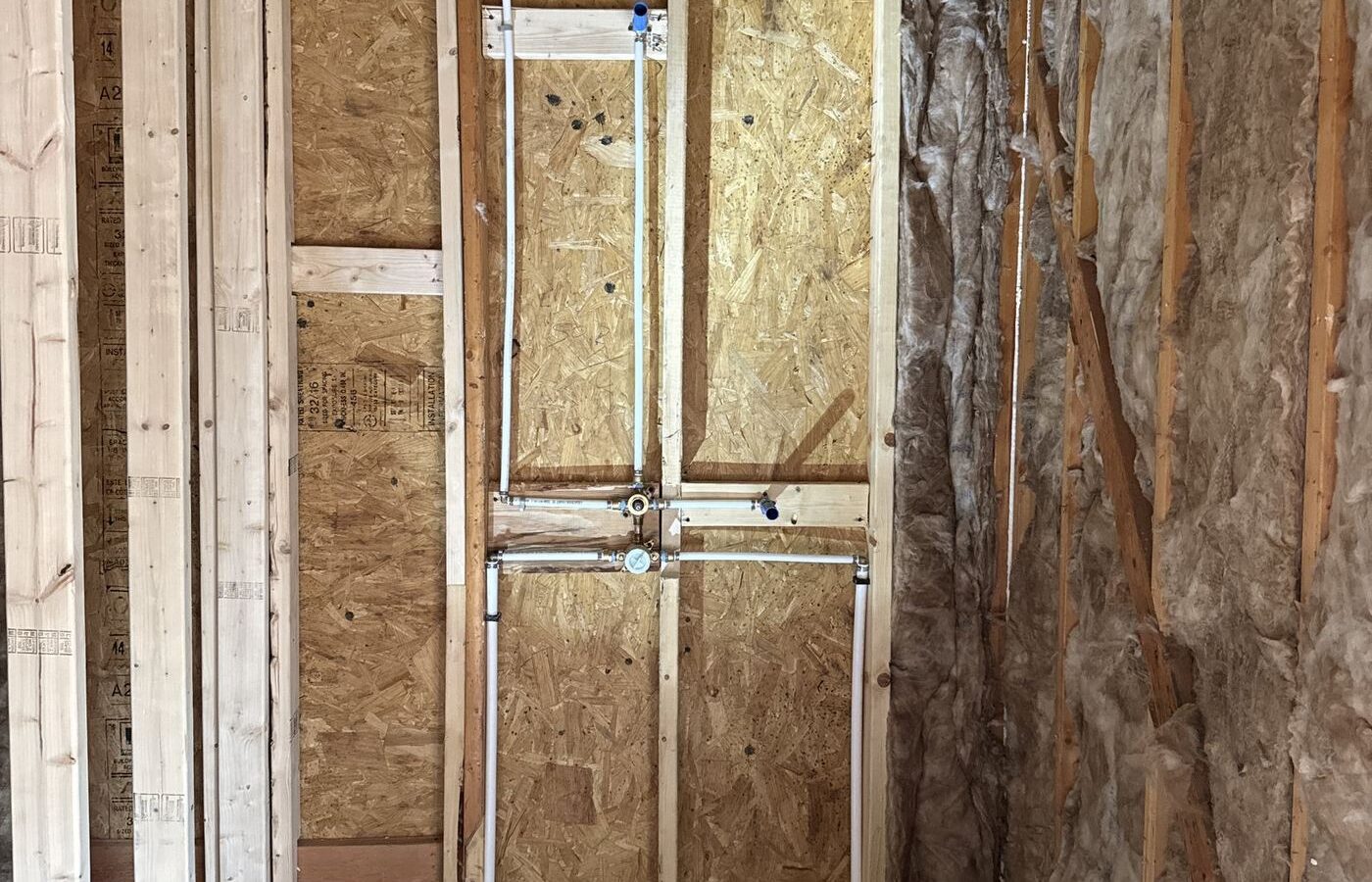
A kitchen or bathroom sink plumbed against an exterior wall puts the supply line just inches from outside air, with minimal insulation between the pipe and the cold. North- and west-facing walls catch the least sun and hold the cold longest through the day, which makes sinks on those walls the first to freeze during a sustained cold snap. If you’ve ever had a specific sink freeze while the rest of the house was fine, this is almost always why.
Well Houses and Exposed Well Lines
A well house is a small, often uninsulated structure holding a pressure tank and fittings that are just as vulnerable to freezing as any indoor pipe — sometimes more so, since a well house doesn’t get any residual heat from an occupied home. When a well house freezes, the whole water supply goes down at once rather than a single fixture, which makes it one of the higher-stakes spots on this list even though it’s easy to forget about because it’s out of sight.
Garages and Attics
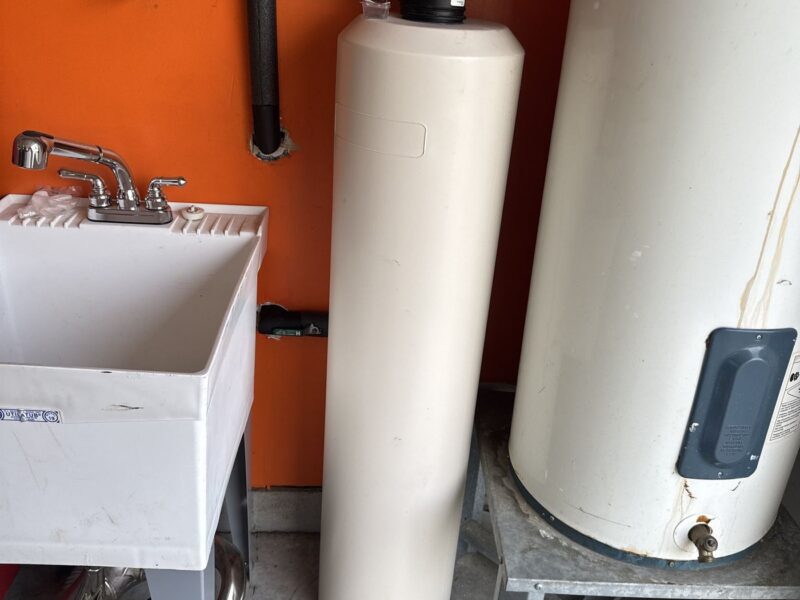
A water heater, pressure tank or supply line routed through an unheated garage or attic is exposed to nearly outdoor temperatures, especially in a garage where the door gets left open during cold weather. These spaces are often overlooked in freeze prep because they don’t feel like “outside,” but thermally, they might as well be.
Uninsulated Additions and Sunrooms
Additions built onto an older home — a sunroom, a converted porch, a laundry room tacked onto the back — sometimes don’t share the same insulation standard as the original structure. Any plumbing run through one of these spaces deserves a second look, since it may not have been built to the same freeze-protection expectations as the rest of the house.
Why Some Cold Snaps Are Worse Than Others
The air temperature on the forecast isn’t the whole story. Wind strips heat away from an exposed pipe far faster than still, cold air does, which is why a well house or crawlspace vent on the windward side of the house is often the first thing to freeze in a given storm. Duration matters just as much — a quick overnight dip into the 20s that warms back up by mid-morning is a very different risk than three or four days that never climb back above freezing, since sustained cold gives the chill time to work its way further into a wall cavity or crawlspace than a single cold night ever would.
Quick Checks for Each Spot
- Crawlspace: vents closed, access door sealing, pipe insulation intact.
- Exterior-wall sinks: cabinet doors opened during a hard freeze so household heat reaches the pipe.
- Well house: door and foundation sealed, heat tape or insulation functioning.
- Garage: door kept closed as much as possible during cold snaps.
- Additions and sunrooms: pipe insulation confirmed, especially if the space was added after the original build.
If One of These Spots Has Already Frozen
A pipe that’s frozen once, even without bursting, is telling you something about that specific location — insulation that isn’t doing its job, or a gap letting cold air reach it directly. Rather than hoping it holds up next time, it’s worth having that section evaluated and addressed properly. A leak repair visit after a freeze is also the right time to identify exactly where the ice formed and fix the underlying exposure, not just the immediate split.
Freeze Protection Across the Upstate
WC Plumbing & Water Treatment identifies and protects freeze-prone plumbing for homes in Pendleton, Seneca, Clemson, Anderson and across the Upstate. South Carolina License CLM-114719MC. Call (864) 214-3250 or schedule a freeze-prep check.