If you have snaked the same shower drain twice this year, the clog is not really the problem. Something about that line is making clogs inevitable, and until it is addressed you will keep clearing the same blockage. Here is what actually causes repeat clogs in Upstate homes, and how to tell a fixture problem from a main line problem.
The Usual Causes
Grease in the kitchen line
Cooking grease goes down warm and liquid, then cools and stiffens on the pipe wall several feet out where you cannot see it. Every pour adds a layer until the opening narrows to nothing. Hot water and dish soap do not dissolve it — they just carry it farther down the line to harden somewhere less convenient. Scrape grease into the trash.
Tree roots
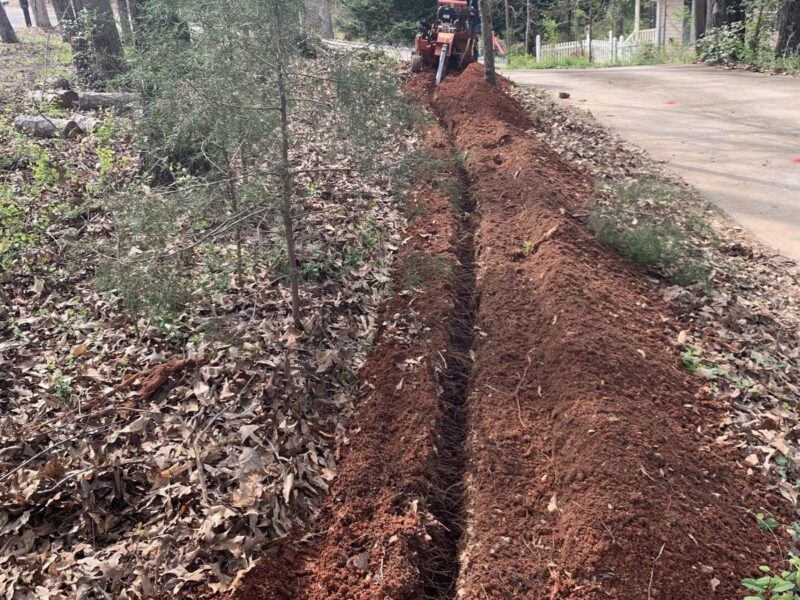
The Upstate is wooded, and roots seek out the moisture at any crack or loose joint in a buried line. Once inside, they form a net that catches everything passing through. Cutting the roots restores flow but leaves the opening, which is why root clogs come back on a predictable schedule until the pipe is repaired.
Red clay and shifting ground
Upstate clay expands when wet and contracts when dry. Over years that movement can leave a section of pipe sagging — a belly — where water and solids collect instead of flowing through. A bellied line will clog indefinitely until the grade is corrected, no matter how often it is cleared.
Mineral scale from well water
Homes on hard well water build scale inside drain lines just as they do in the water heater. That roughened surface gives hair, soap and grease something to catch on, so debris that would flush through smooth pipe starts accumulating. Treating the water reduces drain calls as a side effect — see Do You Need a Water Softener in Anderson, SC?
Wipes and everything else labeled flushable
They leave the toilet and then refuse to break down, snagging on roots and rough spots. Wipes are among the most common causes of full main line blockages we clear. Toilet paper and human waste only — that excludes paper towels, cotton swabs, dental floss and cat litter.
Fixture Problem or Main Line Problem?
One slow drain while everything else runs fine is local to that fixture. These signs mean the main line instead:
- Multiple fixtures running slow at once
- A toilet that gurgles when the washer or shower drains
- Water rising in a tub or floor drain when a different fixture is used
- Sewage smell indoors, or a soggy strip of unusually green lawn
Any of those deserves a camera inspection rather than another round of snaking. We covered the full picture in Signs Your Sewer Line Is Failing in Greenville, SC.
Why Chemical Cleaners Are the Wrong Tool
Caustic drain chemicals generate heat and attack pipe and gaskets along with the clog, which is particularly hard on the older lines common in Upstate homes. On a complete blockage they simply sit in standing water accomplishing nothing. Professional drain cleaning — augering, and hydro jetting where the line warrants it — removes buildup mechanically and can scour the pipe wall back toward smooth, which is what actually ends the cycle.
Keeping Them Clear
Strainers in every sink and tub, no grease down the kitchen drain, only toilet paper flushed, and plenty of cold water when running the disposal. More plumbing tips are on our site.
Drain Cleaning Across the Upstate
WC Plumbing & Water Treatment clears and diagnoses drains for homes and businesses in Anderson, Clemson, Easley, Greenville and throughout the Upstate. South Carolina License CLM-114719MC. Call (864) 214-3250 or schedule service.