Same water heater, same family, same shower routine — and yet by January, the hot water seems to run out halfway through the second shower instead of lasting through the fourth. Homeowners around Easley ask us about this every winter, usually convinced something in the tank has failed. Most of the time, nothing has broken at all. The water heater is just working against a much bigger temperature gap than it was in July.
The Real Culprit: Incoming Water Temperature
A water heater doesn’t heat water from room temperature — it heats whatever comes in off the supply line, whether that’s a municipal main or a well. That incoming temperature swings with the seasons more than most people expect. In the warmer months, groundwater and shallow supply lines might deliver water in the high 60s or low 70s. By deep winter, that same source can be delivering water in the 40s. A tank set to produce 120-degree water has to close a much wider gap in January than it did in July, using the same burner or the same electric elements it had all year.
Why That Shrinks Your Hot Water Supply
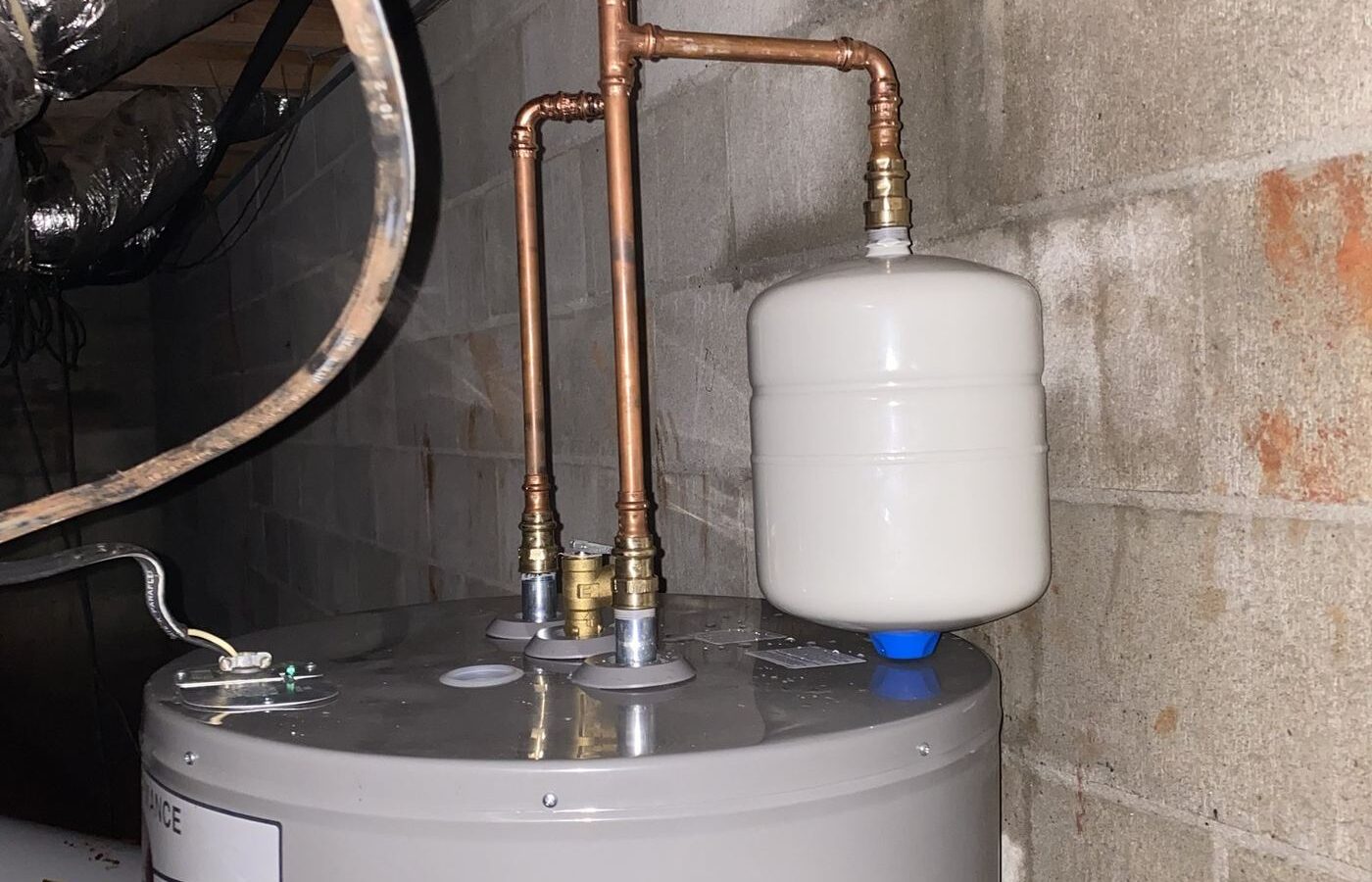
A standard tank water heater has a fixed recovery rate — the number of gallons per hour it can reheat. That rate assumes a certain temperature rise from incoming water to setpoint. When incoming water is colder, the heater needs more time and more energy to raise each gallon the same amount, so its effective recovery rate drops even though the equipment itself hasn’t changed. The practical result is a shorter stretch of usable hot water before the tank falls behind demand, which is exactly the “ran out halfway through the shower” complaint we hear every winter. Tankless units feel this too — they’re rated for a maximum flow rate at a given temperature rise, and a bigger temperature rise in winter can mean a lower usable flow rate at the same output temperature.
What Actually Helps
- Stagger hot water use. Spacing out showers, laundry and the dishwasher gives the tank recovery time between draws instead of asking it to keep up with everything at once.
- Flush the tank before winter hits hardest. Sediment sitting on the bottom of the tank insulates it from the heat source, which makes a cold-water winter even harder on recovery time.
- Insulate exposed hot water lines, especially any run through an unheated crawlspace or garage, so less heat bleeds off between the tank and the fixture.
- Check the thermostat setting. Most manufacturers recommend around 120 degrees — going much higher to compensate for winter runs the tank harder and raises scald risk without meaningfully increasing usable hot water.
Tankless Units Aren’t Immune Either
A tankless water heater doesn’t “run out” of hot water the way a tank does, but winter still changes what it can deliver. Every tankless unit is rated for a maximum flow rate at a specific temperature rise, and that rise is bigger in winter than summer for the same incoming water. Two showers and a dishwasher running at once might have been comfortably within the unit’s capacity in July and pushing right up against its limit in January, which shows up as fluctuating temperature or reduced flow rather than the water simply going cold.
When It’s More Than the Season
A seasonal dip in hot water duration is normal. A tank that’s noticeably struggling even accounting for that, taking far longer to recover than it did last winter, or making new popping and rumbling noises, is usually telling you something else is going on — heavy sediment buildup, a failing element, or a unit that’s simply undersized for the household it’s serving now versus when it was installed. If your water heater is struggling to keep up even with reasonable use, it’s worth having it looked at rather than assuming it’s just the cold snap. In some cases the fix is as simple as a flush and a thermostat check; in others, an aging tank that was already on borrowed life just gets pushed past its limit by the colder incoming water.
Water Heater Service Across the Upstate
WC Plumbing & Water Treatment services, repairs and replaces water heaters — tank and tankless — for homes in Easley, Greenville, Piedmont, Pickens and across the Upstate. South Carolina License CLM-114719MC. Call (864) 214-3250 or schedule a water heater check.