Of every plumbing call we take in the days after the first hard freeze of the season, a burst outdoor spigot is one of the most common — and one of the most preventable. It takes about ten minutes per fixture in the fall, and it’s worth doing before the forecast, not after.
Why Hose Bibs Fail First
An outdoor spigot is one of the least protected fixtures in the house — the pipe feeding it runs right up to an exterior wall with minimal insulation on the other side of that faucet body. When a garden hose stays connected through the fall, it traps water in the section of pipe closest to the valve with nowhere to drain. That trapped water is the first thing to freeze, and because ice expands, it splits the pipe or valve body from the inside. You often won’t see the damage until spring, when the hose comes back out and water sprays from a crack that’s been sitting there since December.
The Ten-Minute Fall Routine
- Disconnect every hose from every outdoor spigot around the house, including the one on the side you never use.
- Drain the hose itself and coil it up for storage — a hose left full of water and coiled on the ground can also freeze and crack.
- Open the outdoor faucet briefly after disconnecting the hose to let any remaining water drain out of the spigot body.
- Find the interior shutoff, if your home has one for that line — many older Upstate homes don’t, which is worth knowing now rather than during a freeze warning.
- Close that interior shutoff and drain the line past the valve if you have one, leaving the outdoor spigot open so any water left in the pipe has somewhere to expand.
- Add an insulated faucet cover as extra protection over the spigot itself, especially on the coldest-facing side of the house.
If Your Home Has No Interior Shutoff
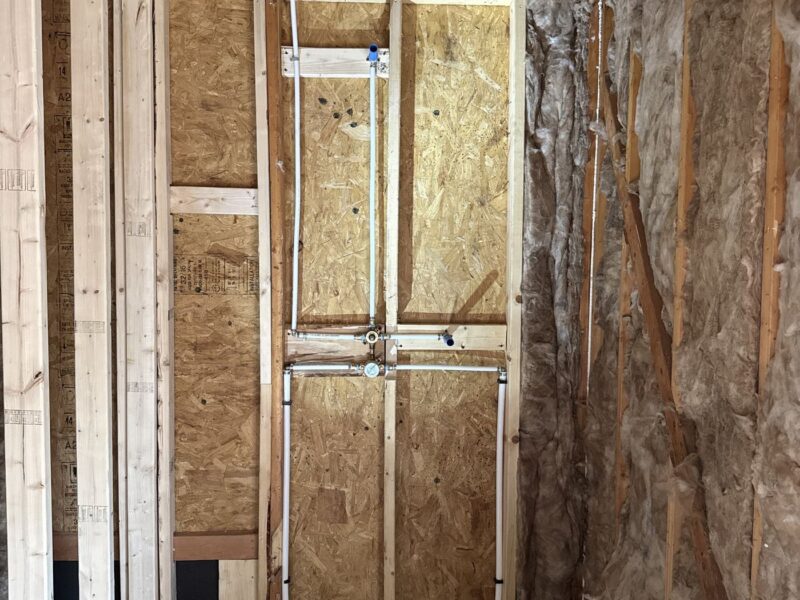
A lot of older homes around Greenville were built with outdoor spigots plumbed straight off the main line, with no separate valve to isolate them for winter. If that’s your situation, a faucet cover and keeping hoses disconnected help, but they don’t fully solve the exposure — the pipe behind the wall is still sitting right at the cold. The permanent fix is a frost-proof (or freeze-proof) hose bib, which relocates the actual shutoff valve several inches back inside the wall, into warmer space, rather than leaving it at the exterior faucet body where the cold reaches it directly. Once it’s installed, there’s no interior valve to remember to close every fall.
Swapping a standard hose bib for a frost-proof one is a straightforward job for a licensed plumber and one of the better small investments you can make in an older Upstate home — it’s fixture repair and installation work we do routinely, and it typically pays for itself the first winter it prevents a burst pipe.
Don’t Stop at the Hose Bibs
Irrigation systems and pool equipment lines get overlooked in the hose-bib rush and freeze the same way outdoor spigots do. If your home has an irrigation backflow preventer sitting above ground, it needs to be drained and, ideally, wrapped or insulated for winter — a cracked backflow device is an expensive and avoidable repair. Pool equipment with exposed plumbing deserves the same attention before the first hard freeze, particularly any section that isn’t already below the frost line.
If You Find a Cracked Spigot Now
A hairline crack in an outdoor faucet body might not show itself until you turn the water back on in spring, but if you spot damage, discoloration, or a slow drip at the valve base this fall, don’t wait for it to fail completely. Getting it repaired before the first hard freeze is a lot simpler than dealing with a leak repair after a pipe has already burst behind the wall.
Outdoor Fixture Prep Across the Upstate
WC Plumbing & Water Treatment installs frost-proof hose bibs and handles freeze-related repairs for homes in Greenville, Anderson, Piedmont, Easley and across the Upstate. South Carolina License CLM-114719MC. Call (864) 214-3250 or schedule a freeze-prep visit.