Winterizing isn’t one task, it’s a walk through every part of the house where plumbing meets the cold — and in an Upstate home, that’s more places than people expect. This is the room-by-room version: work through it once in November and you’ve covered the spots that actually cause winter plumbing emergencies.
The Crawlspace
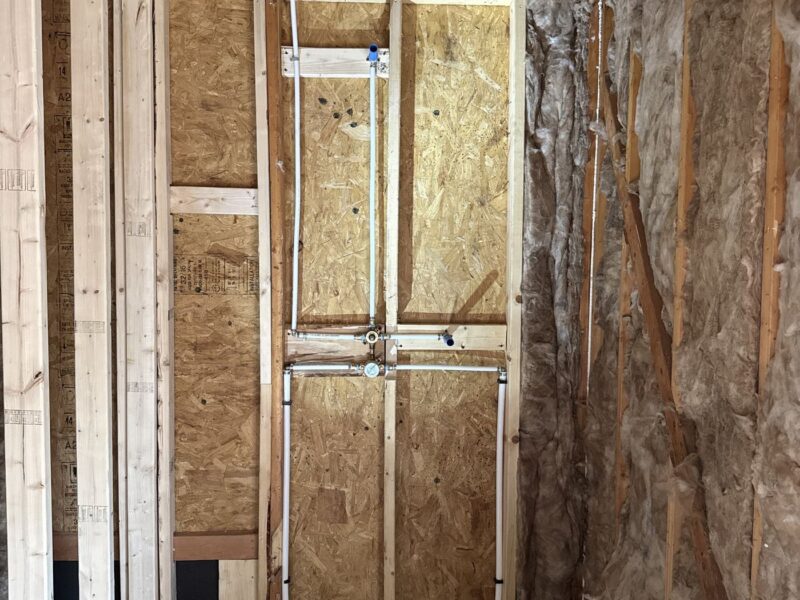
This is the single most common freeze location in Upstate homes, because open foundation vents let cold air move directly across uninsulated supply lines all winter long. Close crawlspace vents before the first hard freeze, confirm the access door actually seals shut, and check that pipe insulation is intact and hasn’t slipped or been chewed through. If the crawlspace has never been insulated, foam pipe sleeves on the exposed runs are inexpensive and take an afternoon to install.
The Well House and Well Equipment
A frozen pressure tank or an exposed well line takes the entire water supply out at once — not just one fixture, the whole house. Check the well house for gaps around the door and foundation, confirm any heat tape or insulation on exposed lines is still functioning, and make sure the structure itself is sealed against wind. This is worth doing even on a well house that’s never given you trouble, since a single unusually hard freeze is often what exposes a gap that’s been there for years.
Exterior Walls
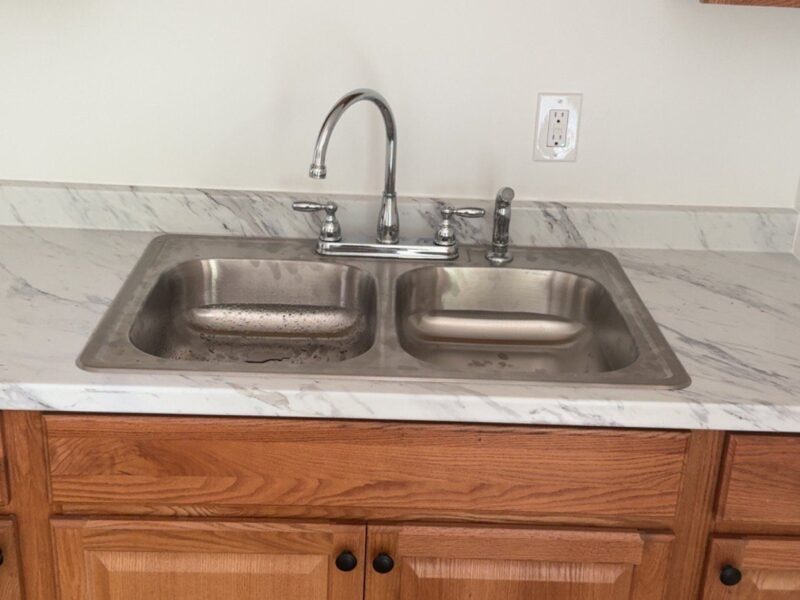
Pipe running through an exterior wall — most often under a kitchen or bathroom sink on the north or west side of the house — sits closer to outside temperatures than most homeowners realize. Open the cabinet doors under those sinks during a hard freeze so household heat can actually reach the pipe, and if a particular sink has frozen before, that’s a strong signal it needs added insulation or a heat cable rather than just an open cabinet door every winter.
Garages, Attics and Utility Rooms
Any water heater, pressure tank or supply line routed through an unheated garage or attic space needs the same insulation attention as a crawlspace. Garage doors left open for even a few minutes during a cold snap can drop the space well below freezing, so it’s worth being deliberate about how long that door stays up on the coldest days.
Outdoor Lines and Fixtures
Disconnect and drain garden hoses, shut off and drain outdoor spigot lines where an interior valve exists, and don’t forget irrigation and pool lines — they’re easy to overlook until spring reveals the cracked fitting. An outdoor faucet with a hose still attached is one of the most common sources of a burst pipe we see every single winter.
The Sump Pump, If You Have One
Upstate winters bring plenty of rain along with the cold, and a basement or low crawlspace with a sump pump depends on that pump working right when it’s needed most. Test it by pouring water into the basin and watching it cycle, and confirm the discharge line outside isn’t positioned somewhere it could ice over and back the water up right where it’s trying to drain away from the house.
The Water Heater
Cold incoming water in winter makes your water heater work harder for the same result, so this is a good time to flush sediment from the tank, insulate any exposed hot water lines, and confirm the unit is holding a steady temperature. A water heater that’s already struggling going into winter tends to get worse, not better, as incoming water gets colder through the season.
The Full Walkthrough
- Close crawlspace vents and confirm the access door seals.
- Check the well house for gaps, drafts and functioning insulation or heat tape.
- Insulate exposed pipe in the crawlspace, garage, attic and under exterior-wall sinks.
- Disconnect and drain every garden hose and outdoor line, including irrigation.
- Flush the water heater and check exposed hot water line insulation.
- Test the sump pump, if you have one, and check that the discharge line can’t ice over.
- Test the main shutoff valve so it’s ready if you ever need it fast.
- Seal drafts at foundation vents, dryer vents and gaps around the sill where cold air reaches pipe runs.
If you turn up a crack, a slow drip or a valve that won’t fully close during this walkthrough, get it handled now — a small leak repair before winter is a different conversation than an emergency repair during one.
Winterizing Service Across the Upstate
WC Plumbing & Water Treatment handles freeze-prep walkthroughs, water heater service and leak repair for homes in Greenville, Anderson, Clemson, Pickens and across the Upstate. South Carolina License CLM-114719MC. Call (864) 214-3250 or schedule a winterizing visit.